Featured
Table of Contents
Debt consolidation with a personal loan provides a couple of benefits: Repaired rates of interest and payment. Pay on multiple accounts with one payment. Repay your balance in a set quantity of time. Individual loan debt combination loan rates are usually lower than credit card rates. Lower charge card balances can increase your credit history rapidly.
Customers frequently get too comfortable simply making the minimum payments on their credit cards, but this does little to pay for the balance. In reality, making just the minimum payment can cause your charge card debt to spend time for years, even if you stop using the card. If you owe $10,000 on a charge card, pay the typical credit card rate of 17%, and make a minimum payment of $200, it would take 88 months to pay it off.
Contrast that with a financial obligation combination loan. With a financial obligation combination loan rate of 10% and a five-year term, your payment just increases by $12, however you'll be devoid of your debt in 60 months and pay simply $2,748 in interest. You can use a personal loan calculator to see what payments and interest might appear like for your debt consolidation loan.
The rate you receive on your individual loan depends on lots of factors, including your credit score and income. The most intelligent method to understand if you're getting the very best loan rate is to compare deals from completing loan providers. The rate you receive on your financial obligation consolidation loan depends on lots of aspects, including your credit history and income.
Debt debt consolidation with an individual loan may be best for you if you satisfy these requirements: You are disciplined enough to stop carrying balances on your credit cards. If all of those things do not use to you, you might require to look for alternative ways to consolidate your debt.
Leveraging Debt Calculators for 2026
Before consolidating debt with a personal loan, think about if one of the following scenarios uses to you. If you are not 100% sure of your capability to leave your credit cards alone as soon as you pay them off, don't consolidate financial obligation with a personal loan.
Personal loan interest rates average about 7% lower than credit cards for the exact same debtor. If you have credit cards with low or even 0% initial interest rates, it would be ridiculous to change them with a more costly loan.
Because case, you may wish to utilize a credit card debt combination loan to pay it off before the charge rate begins. If you are simply squeaking by making the minimum payment on a fistful of credit cards, you may not have the ability to reduce your payment with an individual loan.
The Advantages of Reducing Interest Rates through CounselingA personal loan is developed to be paid off after a particular number of months. For those who can't benefit from a debt combination loan, there are options.
How to Consolidate High Interest Debt in 2026
Consumers with exceptional credit can get up to 18 months interest-free. Make sure that you clear your balance in time.

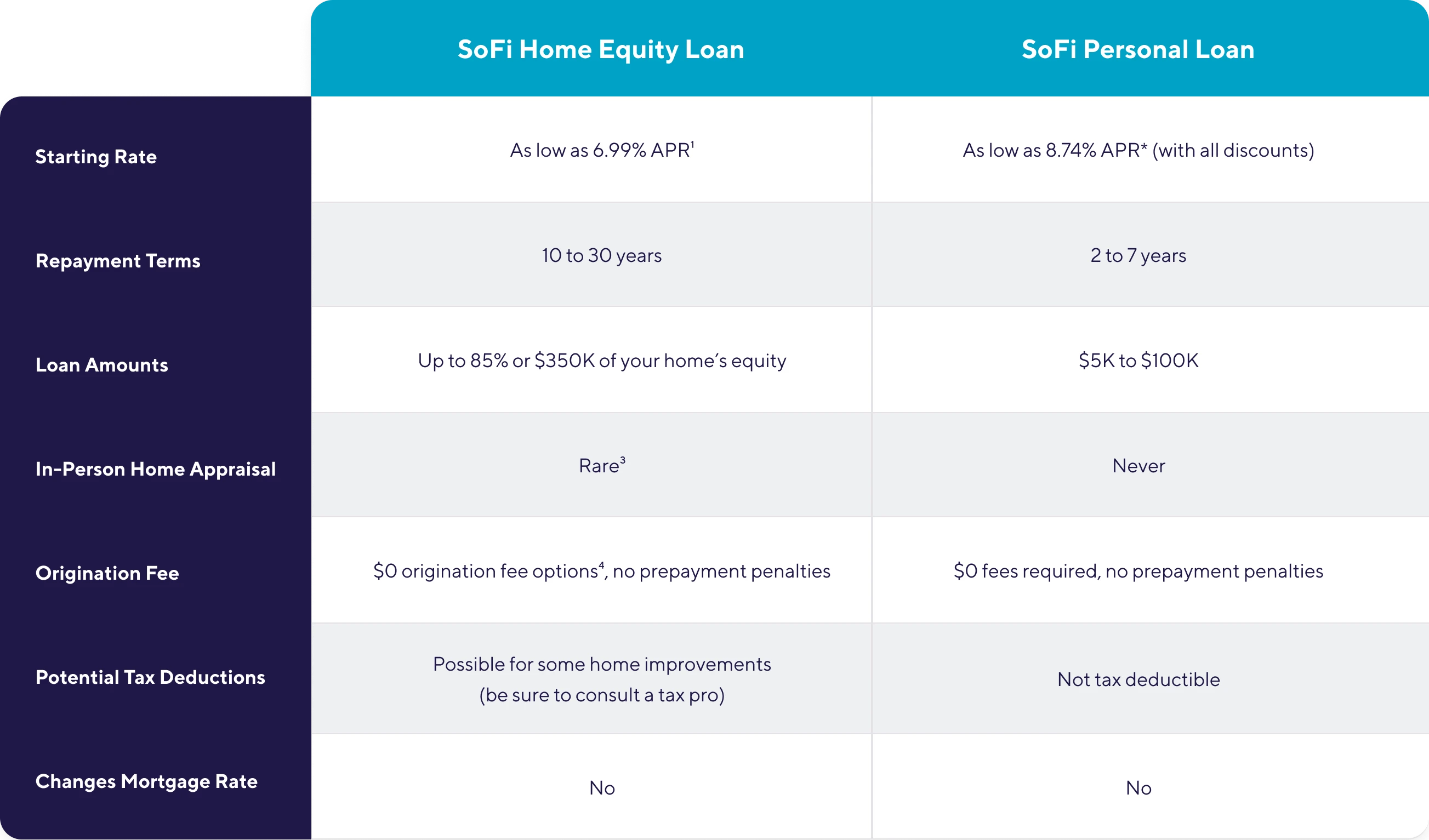
If a financial obligation consolidation payment is too expensive, one way to lower it is to extend the payment term. One method to do that is through a home equity loan. This fixed-rate loan can have a 15- and even 20-year term and the interest rate is extremely low. That's because the loan is protected by your house.
Here's a comparison: A $5,000 individual loan for financial obligation combination with a five-year term and a 10% interest rate has a $106 payment. A 15-year, 7% rates of interest second home loan for $5,000 has a $45 payment. Here's the catch: The total interest expense of the five-year loan is $1,374. The 15-year loan interest cost is $3,089.
2026 Reviews of Credit Counseling Programs
If you truly require to lower your payments, a second home loan is an excellent option. A financial obligation management plan, or DMP, is a program under which you make a single monthly payment to a credit therapist or financial obligation management expert. These firms typically offer credit therapy and budgeting recommendations .
When you get in into a strategy, understand how much of what you pay monthly will go to your financial institutions and just how much will go to the business. Learn how long it will require to end up being debt-free and ensure you can manage the payment. Chapter 13 insolvency is a debt management strategy.
One advantage is that with Chapter 13, your financial institutions need to participate. They can't opt out the way they can with financial obligation management or settlement plans. As soon as you file personal bankruptcy, the insolvency trustee identifies what you can realistically pay for and sets your monthly payment. The trustee distributes your payment amongst your financial institutions.
, if successful, can dump your account balances, collections, and other unsecured debt for less than you owe. If you are really a really good mediator, you can pay about 50 cents on the dollar and come out with the debt reported "paid as concurred" on your credit history.
New 2026 Repayment Calculators for Borrowers
That is really bad for your credit rating and rating. Any amounts forgiven by your lenders go through income taxes. Chapter 7 insolvency is the legal, public variation of debt settlement. Similar to a Chapter 13 insolvency, your lenders need to participate. Chapter 7 insolvency is for those who can't pay for to make any payment to decrease what they owe.
Debt settlement allows you to keep all of your belongings. With bankruptcy, released financial obligation is not taxable income.
You can conserve cash and enhance your credit ranking. Follow these tips to ensure a successful debt repayment: Discover an individual loan with a lower rate of interest than you're presently paying. Make sure that you can manage the payment. In some cases, to pay back financial obligation quickly, your payment needs to increase. Consider combining an individual loan with a zero-interest balance transfer card.

Latest Posts
Steps to Secure Low Rate Personal Financing

Comparing New Strategies for Eliminating Debt in 2026

Best Ways to Eliminate Debt in 2026